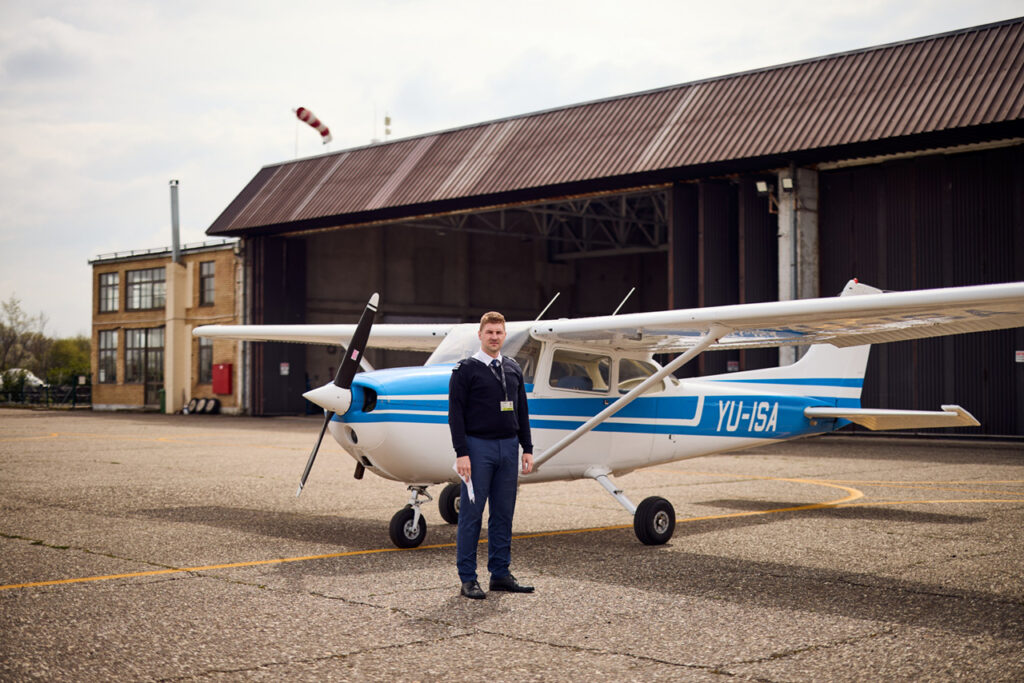
A clear path from your first flight to a professional pilot career
Zero to ATPL Pilot Training
Start from zero and progress through structured training phases that lead from initial pilot training to advanced professional qualifications.
- PPL(A) - ATPL theory - CPL(A) - IR(A) - MEP(land) - Distance learning support
Safe Sky Alliance
What the zero to ATPL path looks like
Pilot training moves forward through connected and clearly defined stages.
The route to professional level is not one course but a sequence of connected steps. A candidate starts with the fundamentals, then builds flight time and additional ratings, and later moves into more advanced theoretical and professional training.
The process usually begins with medical assessment and a realistic training plan. It then continues through PPL(A), hour building, Night Rating, ATPL theory and advanced phases such as CPL(A), IR(A) and MEP(land).
01
Medical assessment
02
PPL(A) initial training
03
Time Building
04
Night Rating
05
ATPL theory
06
CPL(A), IR(A) and MEP(land)
07
Preparing for the next level

PPL(A) is the starting point
The first step for most candidates with no previous flying experience.
PPL(A) is the initial pilot licence through which the candidate develops core theoretical knowledge, first procedures and practical flying habits. This stage forms the foundation of the entire pathway, because strong basics support safer and more effective progression toward professional level.
During this phase, the candidate begins to understand aircraft handling, navigation, key flying principles and instructor-led training. Once this foundation is properly built, later stages become far clearer and more manageable.
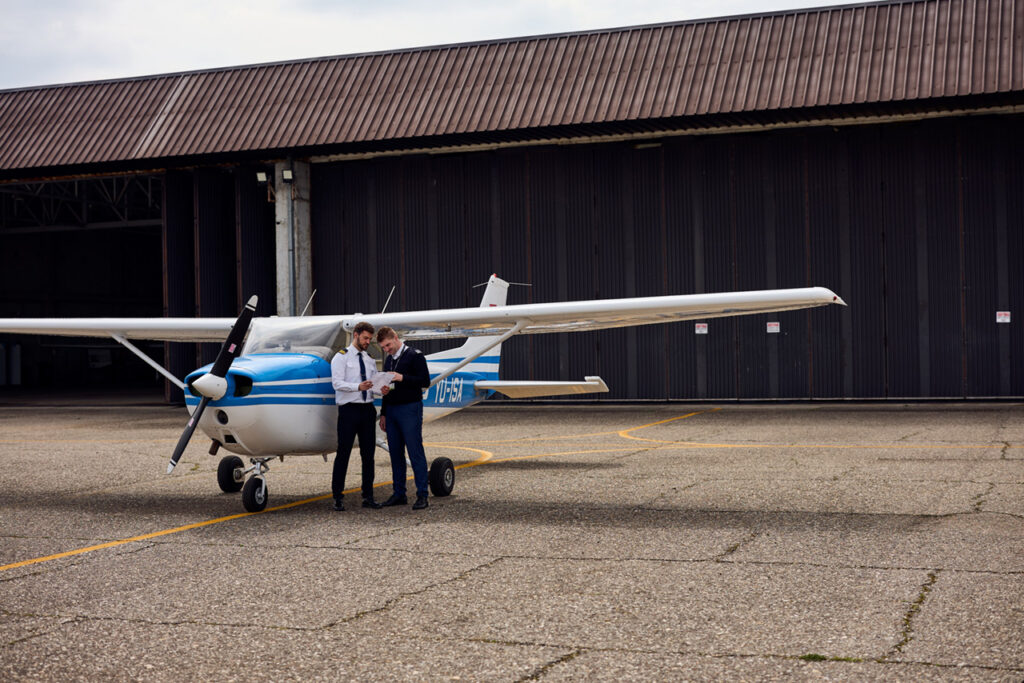
Flight hours and additional ratings
After the initial licence comes the stage of building experience.
Once the first licence is completed, the next major step is building flight time and gaining additional qualifications. This stage develops confidence, routine, independence and readiness for more advanced training.
In this part of the journey, the candidate expands experience through additional flying hours, preparation for night flying and stronger procedural discipline. The goal is not only to collect hours, but to build better operational understanding before moving further.

ATPL Theory and Distance Learning
Building the knowledge base for a professional pilot career
ATPL theory is a key step in the journey toward becoming a professional pilot. It provides the advanced theoretical knowledge required for progression to higher-level qualifications and real-world flight operations.
Distance learning offers the flexibility to study alongside flight training and other commitments, allowing candidates to manage their time efficiently without compromising the quality of their education.
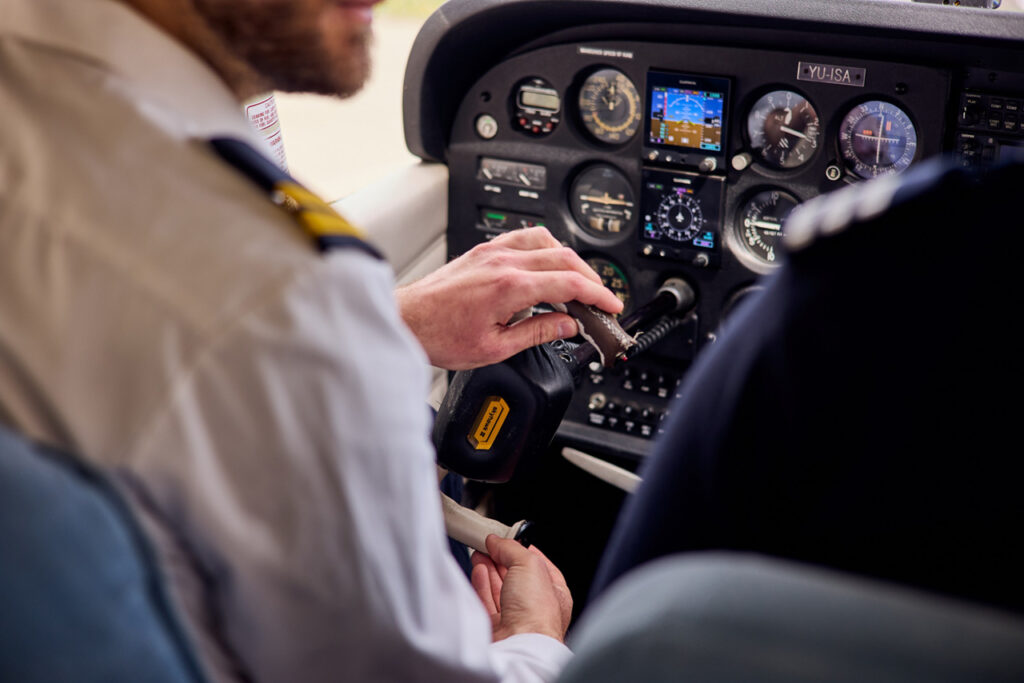
CPL(A), IR(A) and MEP(land)
Advanced stages that strengthen professional knowledge and operational capability.
The professional part of the path includes a higher level of responsibility, technical understanding and procedural discipline. Through CPL(A), IR(A) and MEP(land), the candidate expands confidence, instrument knowledge and readiness for more complex aviation operations.
These stages represent an important transition from initial training into a more serious professional framework. When they are connected properly with the earlier steps, the result is a clearer and more stable development path.
Who can start training
A pathway for candidates who want a clear and realistic route forward.
This path suits candidates with no previous flying experience as well as those who want to continue an already started journey. The key is to define a realistic plan based on the candidate’s goal, availability and current stage.
Different phases have different entry requirements, including age, medical eligibility and previous flight experience. That is why individual planning matters from the very first contact.

Training path overview
Each stage has a clear role in the development of a future pilot.
| Training phase | Short description |
|---|---|
| PPL(A) | Initial theory and practical training |
| Time Building | Building flight time and experience |
| Night Rating | Expanding training into night flying |
| ATPL Theory | Airline transport theory training |
| CPL(A) | Commercial pilot licence |
| IR(A) | Instrument flying |
| MEP(land) | Multi-engine training |
Why SafeSkyAlliance
A clear development path, practical and theoretical support, and focus on the next real step.
Pilot candidates need a clear and logical framework, not just a list of separate courses. Each training stage should have a purpose and naturally support the next step forward.
The combination of theoretical and practical preparation, together with distance learning support for selected parts of training, helps candidates plan more clearly and understand the whole process better. The focus remains on helping each candidate see exactly where they are and what comes next.
Frequently asked questions
Answers to the most important questions about the path from zero to ATPL.
Can I start from zero if I have no experience?
Yes. The initial stage is intended for candidates entering aviation for the first time and looking for a clear development plan from the first licence toward more advanced stages.
What is the first step if I want to become a pilot?
The first step is assessing your starting point, your goal and your medical eligibility so that a realistic training sequence can be defined. A clear plan from the start makes time and next steps much easier to organise.
What is PPL(A) and why is it important?
PPL(A) is the initial pilot licence and the entry point for most candidates starting from zero. It provides the basic theoretical and practical foundation on which future licences and ratings are built.
Is the route to ATPL one course or several stages?
The route to ATPL is not a single course but a sequence of connected stages that include initial training, hour building, additional ratings, theoretical preparation and advanced professional phases. That is why the process should be seen as a complete pathway rather than as isolated courses.
Can part of the theory be completed online?
Distance learning support is available for selected stages, which gives the candidate more flexibility in organising theoretical study. This is especially useful when balancing study with flight activity and other responsibilities.
What comes after PPL(A)?
After the initial licence, the path usually continues with hour building, additional ratings and more advanced theoretical preparation. This stage is important because it develops experience and prepares the candidate for more serious professional modules.
What is the difference between PPL(A), CPL(A) and ATPL theory?
PPL(A) is the entry-level licence, CPL(A) represents the next step toward professional pilot training, while ATPL theory provides the advanced academic foundation for further career development. Each stage plays a distinct role in the overall training journey.
Are CPL(A), IR(A) and MEP(land) important for professional development?
Advanced stages such as CPL(A), IR(A) and MEP(land) are an important part of the professional path for candidates aiming for serious aviation development. They expand technical ability, operational thinking and readiness for more complex tasks.
How long does the zero to ATPL route take?
There is no identical timeline for every candidate. Progress depends on flight activity, study availability, medical readiness and the overall training plan.
Can I receive an individual training plan?
Yes. An individual plan helps the candidate understand the first realistic step, see the later stages more clearly and organise the full path according to personal goals and available resources.
Request an individual training plan
Find out what your first realistic step is on the path from zero to ATPL.
Send an inquiry and receive a proposed training sequence based on your current position and goal. A clearly structured plan makes the entire pathway easier to understand, easier to organise and easier to begin with confidence.